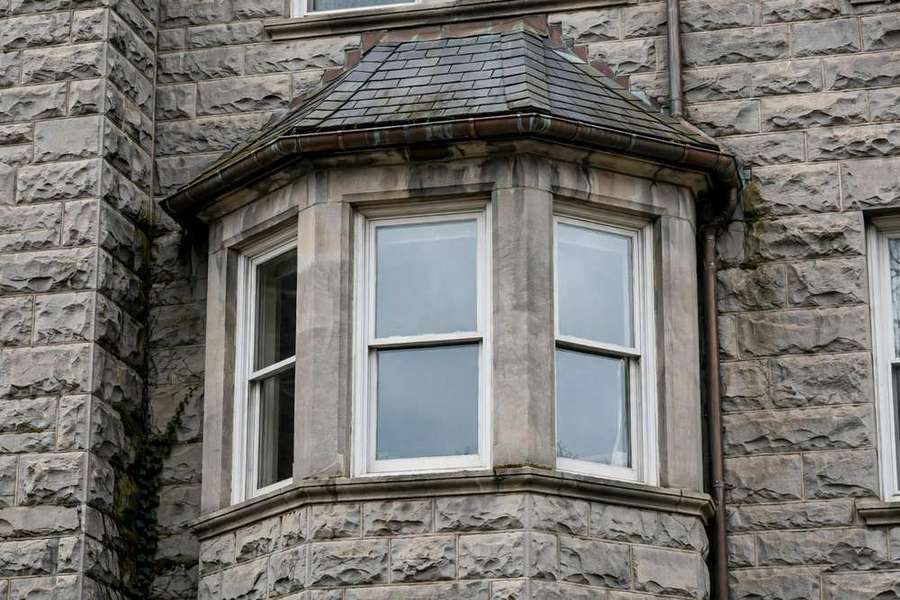
Street railways in the 1890s and the Ravenswood Elevated in 1907 filled former farmland with bungalows, two-flats, and small apartment buildings, though some land stayed agricultural until after the Second World War. The stock today mixes single-family homes, vintage greystones, condos, classic two-flats, and bungalows, with Bowmanville's 1850 subdivision holding frame cottages and bungalows at the northern edge. Homes of this era typically split by form: eave gutters on bungalows and cottages, and parapet, scupper, and rear-downspout drainage on greystone flats, so gutter repair is planned per building form.
The East Ravenswood blocks hold two- and three-storey frame single-family houses and brick multi-family buildings on raised basements, dating from 1880 to 1929, and taller runs on raised basements change drop heights and downspout lengths. Tree-lined streets add a leaf load that is real but unmeasured, and detached garages reached by alleys add secondary runs on many lots. Rosehill Cemetery, a large non-residential use, and the North Branch green edges shape the leaf and wind patterns on nearby blocks, where gutter cleaning keeps both eave gutters and flat-roof outlets moving.
Two National Register districts touch this area, and both straddle neighbouring areas, so each address is checked on its own: the Ravenswood Manor Historic District, covering 1907-1933 construction, and the East Ravenswood Historic District, covering 1880-1929. Neither is claimed here as a Chicago Landmark district. Budlong Woods and Bowmanville drain toward the North Branch, and past storms in 2008 and 2013 form part of local drainage history; no flood-zone claim is made for any block, and downspout discharge and grading still deserve care near the river.
Explore Lincoln Square services →